From knowledge to decision
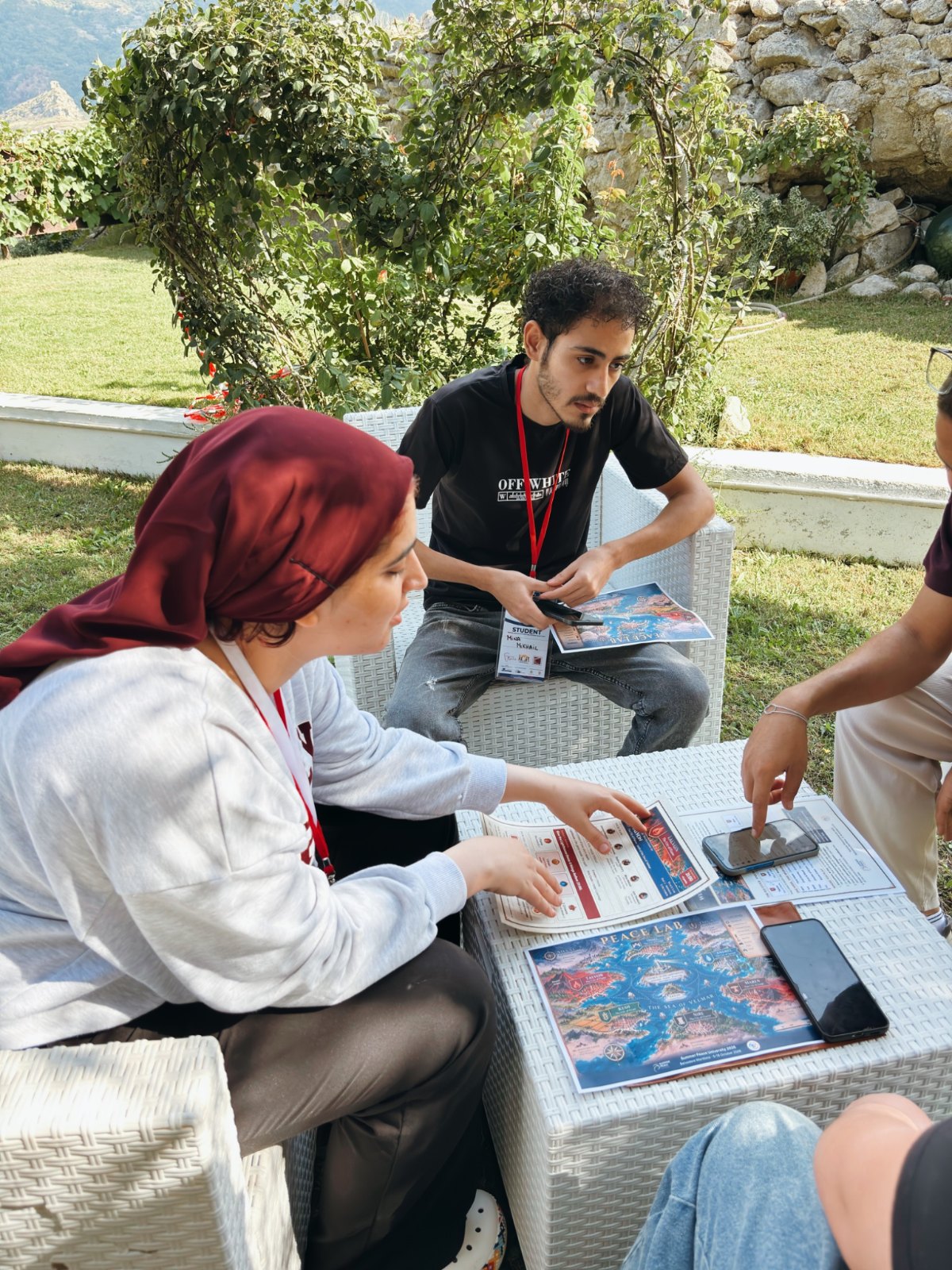
The Peace Lab is the diplomatic simulation laboratory of the Summer Peace University: an original role-play game designed by SPU, in which students lead communities and negotiate on behalf of interests that are not their own.
The scenario can be real or imaginary, and it is always tied to reality. An imaginary scenario frees students from their national affiliations and from positions taken in advance, while the mechanisms they face remain those of real conflicts.
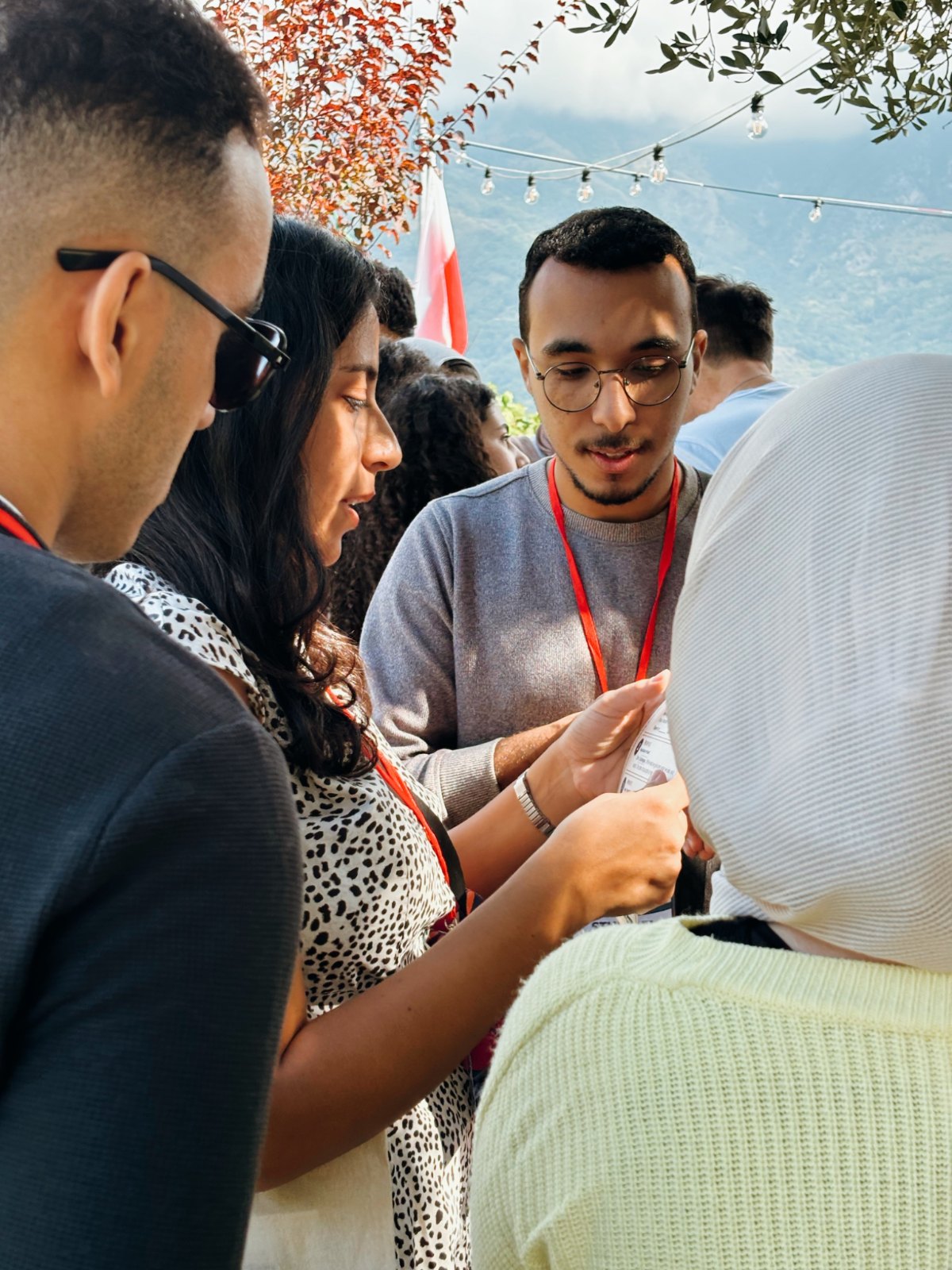
The game knows no breaks. It goes on during lectures, in the corridors, at dinner and late in the evening, as real diplomacy does, where negotiations do not keep office hours.
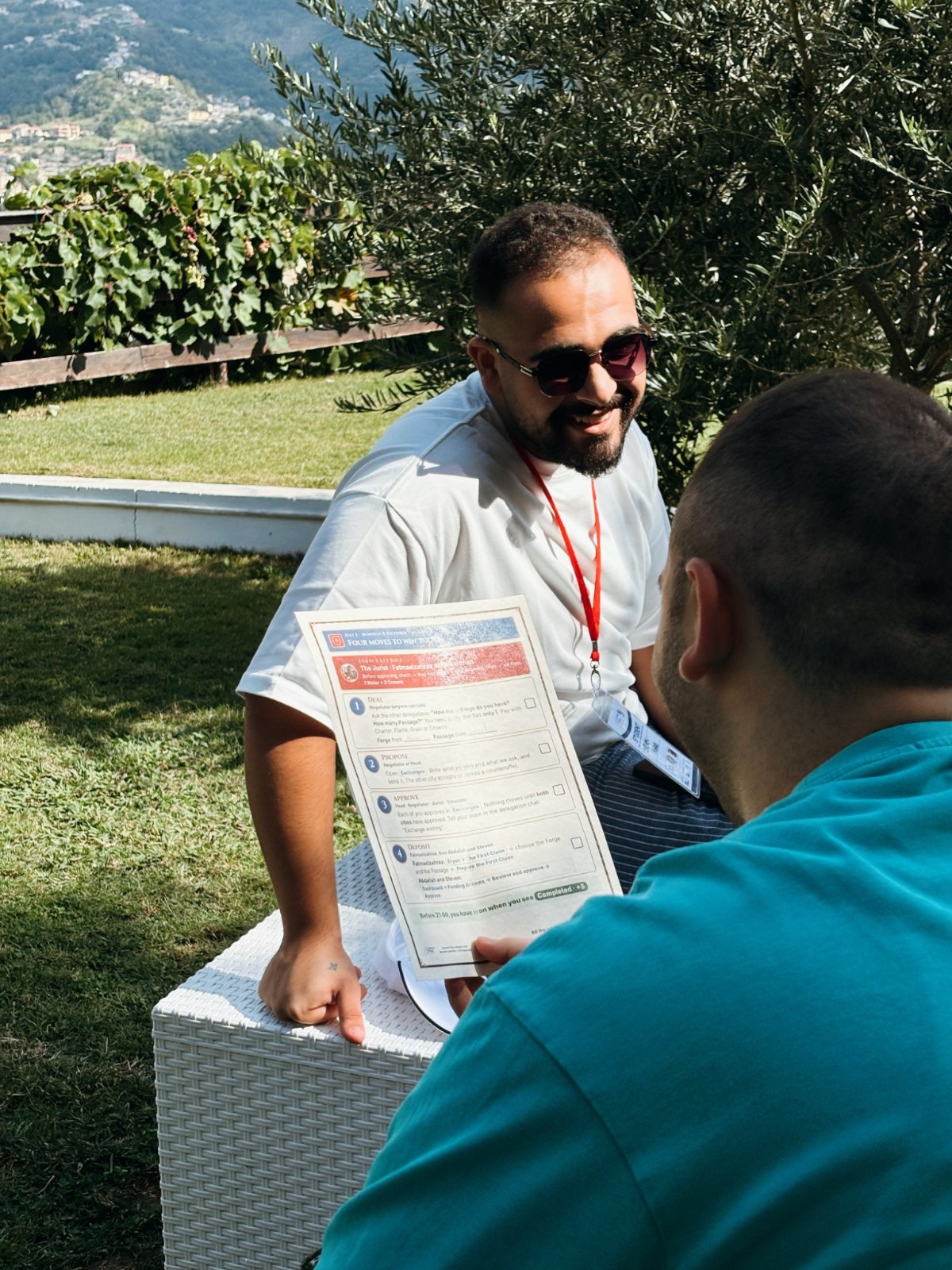
The game runs on two levels at once. On the SPU digital platform, delegations exchange proposals, close agreements that become valid only when both sides accept, and follow the state of the game in real time. Face to face, in the garden, in the corridors and at dinner, they build the trust that makes those agreements possible. What is negotiated in person is confirmed on the platform, and what appears on the platform reopens the talks in person.


Five days, five principles
Every week of SPU has a game of its own, with a new scenario built on the theme of its lectures. Each day introduces a principle that students experience first-hand before they study it.
Recognition
Legitimacy comes from being recognised by others.
Scarcity
Scarce resources force the parties to negotiate.
External aid
Help from outside always comes at a price.
Alliances
No one governs alone.
Collective decision
Decisions shared by all are taken under pressure.
The General Assembly
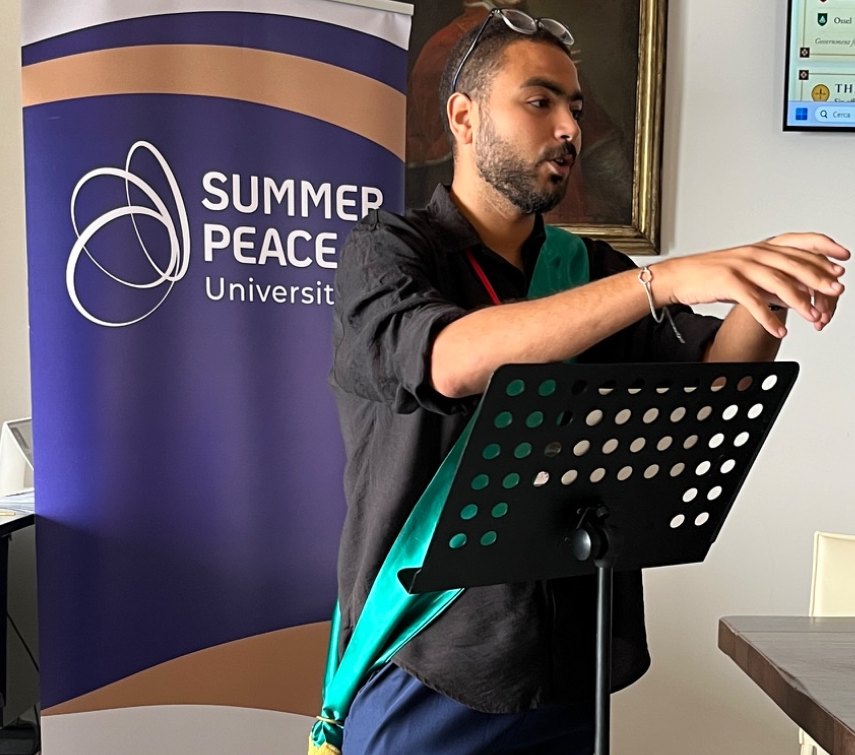
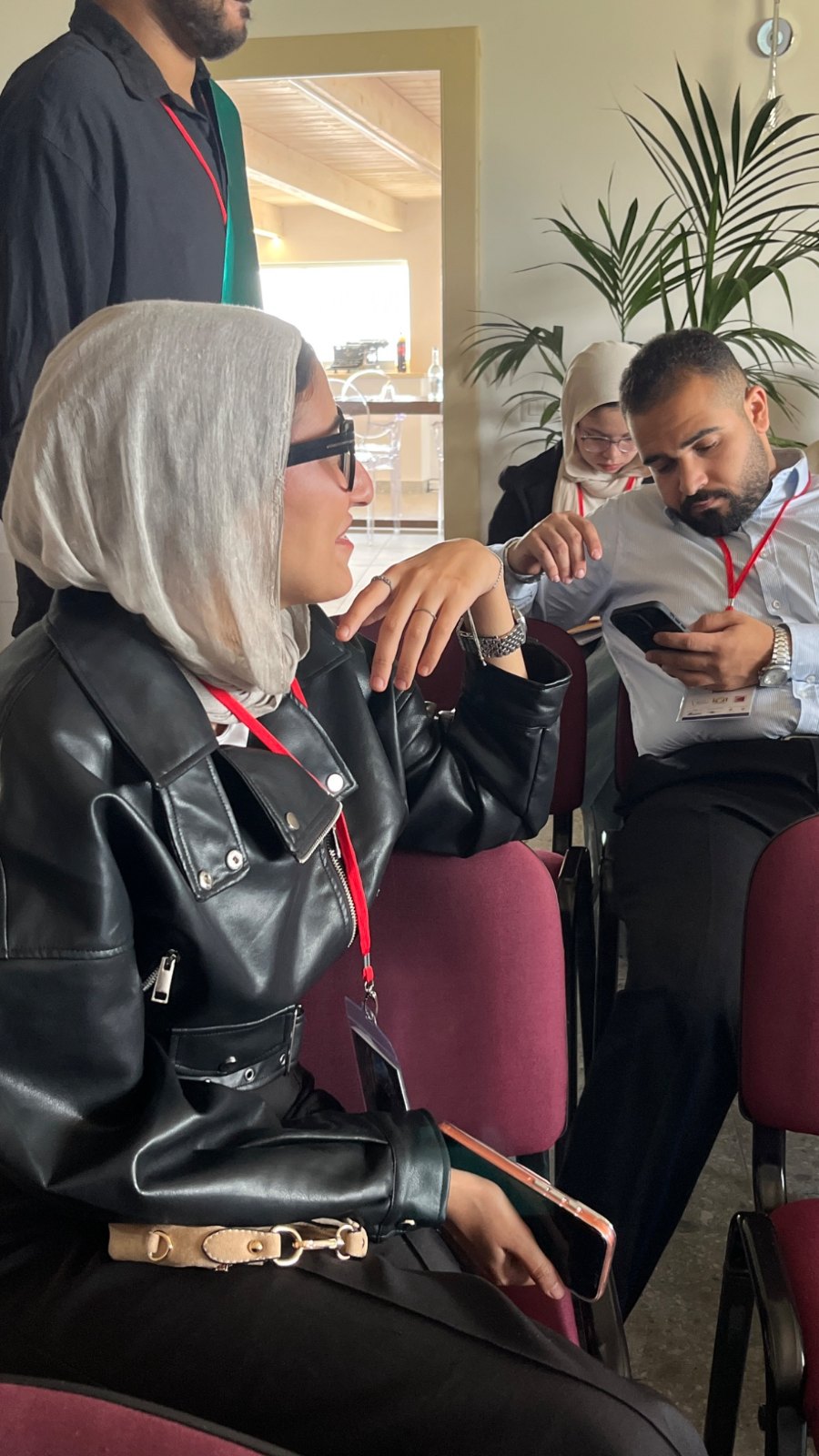
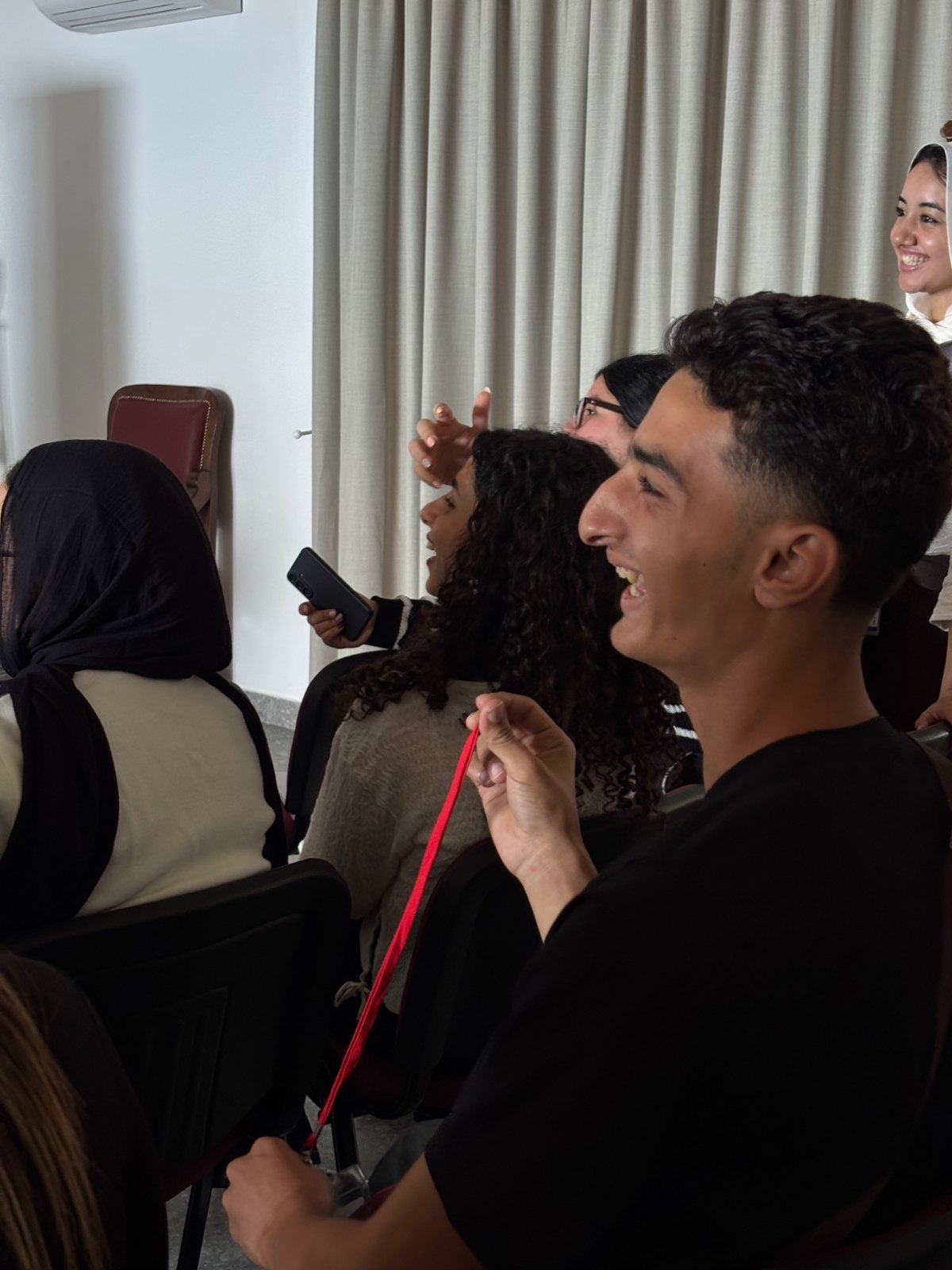
On the last day the game moves into one room. Delegations deliver public declarations, the unexpected arrives, and the decision is taken in front of everyone. The talks never stop: they continue along the rows, in whispers and on the phones, until the vote.
Theory comes afterwards
Only when the game is over do the faculty give a name to what the students have just lived. The debriefing turns choices, alliances and mistakes into concepts of international relations and political philosophy.
The outcome is never decided in advance. A game may close with an agreement, a partial understanding or a breakdown, and each outcome becomes material for study. An agreement reached and an agreement missed teach different things, and the second often teaches more.
SPU 2025 and SPU 2024
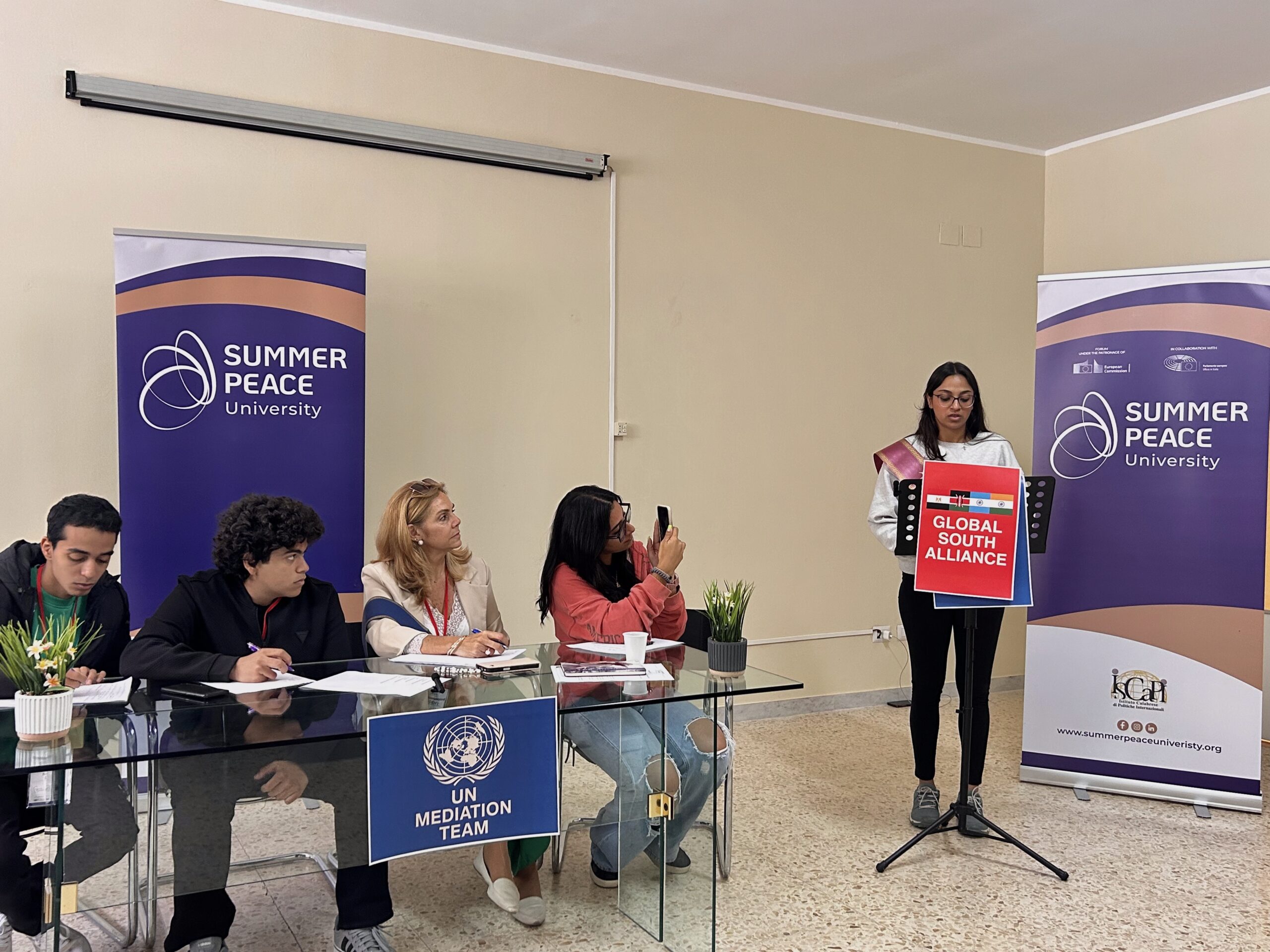
Delegations at the lectern, a mediation team at the table, documents spread out and notes passed from hand to hand: the laboratory sessions of the previous editions.


Within the SPU learning path
The Peace Lab grows out of the theme of the week and turns it into decisions. The questions it raises are brought to the Public Forum, before diplomats, scholars and institutions.
Peace Memo
Alongside the game, each student keeps a Peace Memo, a daily individual reflection on the topics of the day. Faculty read it and may add suggestions. The reflections are grouped by category for the Public Forum.
White Paper
The same categories structure the SPU White Paper, where each student contributes to the chapter of his or her group. Read about the White Paper
Bring the Peace Lab to your university
The Peace Lab can be run as a stand-alone demonstration for universities and institutions, also with students who are not enrolled in SPU.